Release & Waiver Forms
The 2026 Legal Form
General Release of Liability
Create a legally binding release of liability to settle disputes and waive future claims — covers accidents, property da…
Settle disputes, release claims, and waive liability — for activities, property, media, construction, and mutual obligations. State-compliant documents ready in minutes, valid in all 50 states.
- Enforceable in every state — state-specific rules built in
- Covers disputes, activities, construction, media & property
- Instant PDF — fill out, sign, done
- 6
- Legal Forms
- 50
- States Covered
- 5 min
- Average Completion
Available forms
Featured PDF Guides
What's inside each form
5 Release Types Covered
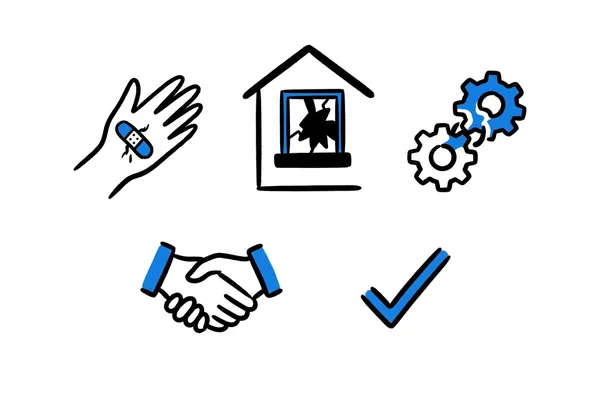
One form handles accident/injury, property damage, contractual disputes, employment matters, and general releases. Select your scenario and the legal language adapts automatically.
Settlement & Consideration Terms
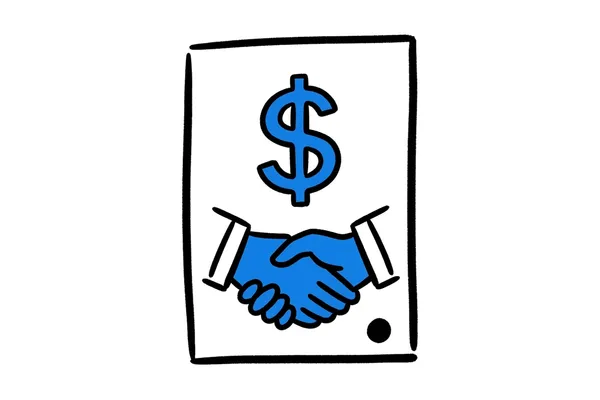
Define whether the release involves monetary consideration, a payment plan, or no payment at all. The document structures the settlement terms so both parties have a clear, enforceable record.
Valid in All 50 States
Built to comply with release-of-liability requirements nationwide. Includes optional witness and notary signature blocks to meet stricter state enforceability standards.
Did you know?
A release is only enforceable if both sides get something
Courts routinely void release agreements that lack "consideration" — legal speak for an exchange of value. A release that says "I give up all claims" without receiving anything in return can be thrown out as a bare promise. That's why every enforceable release includes a settlement payment, a mutual promise, or another tangible benefit. Our forms build consideration into every document — and flag state-specific enforceability rules like California Civil Code § 1542, which requires explicit waiver of unknown claims or the release may not hold up.

Why our legal forms
Why use our legal forms

State-specific compliance
Each form adapts to your state's requirements — notarization rules, statutory lien waiver forms, minor consent laws, and enforceability standards that vary from state to state.

Covers every scenario
Accident settlements, activity waivers, construction lien releases, photo and media permissions, property reconveyances, and mutual dispute resolutions — one set of forms handles it all.

Ready in minutes
Answer guided questions, review the document, sign, and download your PDF. No lawyer needed for standard releases and waivers.
Explore more
More Consumer Law Categories
Featured — General Release of Liability
General Release of Liability — the most versatile release form
Our General Release of Liability covers accidents, property damage, contractual disputes, employment separations, and general claim releases. It handles full and partial release scopes, documents settlement terms and payment plans, and includes witness and notary signature blocks. In California, it automatically includes the § 1542 waiver for unknown claims — a requirement most free templates miss entirely.

What people are saying
Trusted by thousands
Real customers who created their release and waiver forms with us
"I run a rock-climbing gym and needed activity waivers that would actually hold up. This covered assumption of risk, indemnification, and even a photo release add-on. My insurance company reviewed it and approved it on the spot."
Jason M.
Boulder, CO
"Our contractor refused to give us a lien waiver after we paid him in full. I downloaded the unconditional final waiver, filled in the payment details, and had him sign it before releasing the last check. Exactly what I needed."
Priya D.
Austin, TX
"After a fender bender, the other driver and I agreed to settle without insurance. The mutual release made it official — we both signed off, documented the payment, and walked away clean. Way easier than I expected."
Carlos G.
Miami, FL
Support
Frequently asked questions
Common questions about releases, waivers, and liability protection
A Release of Liability is a legal document where one party agrees to give up their right to sue another party for damages, injuries, or claims. It's used after accidents, disputes, or activities where one or both parties want to formally waive future claims. A valid release requires "consideration" — something of value exchanged — to be enforceable.
A release typically settles an existing claim or dispute — something has already happened, and one party agrees not to pursue it further. A waiver is signed before an activity takes place, acknowledging risks and agreeing not to hold the organizer liable if something goes wrong. Both are legally binding when properly executed.
Lien waivers are used in construction projects. When a contractor, subcontractor, or supplier receives payment, they sign a lien waiver giving up their right to file a mechanic's lien against the property. Property owners should collect lien waivers with every payment to prevent future lien claims. Twelve states require statutory lien waiver forms — our documents comply automatically.
It depends on the state. California Civil Code § 1542 specifically protects claims you don't know about at the time of signing — meaning a general release won't cover unknown claims unless you explicitly waive § 1542 rights. Our forms include the appropriate waiver language for states with similar protections.
Most releases and waivers do not require notarization to be legally valid. However, notarization adds an extra layer of authentication and can strengthen enforceability. Deeds of reconveyance are the exception — they must be notarized before recording with the county. Our forms flag when notarization is required or recommended for your state.
Yes. Our Activity Waiver and Release form includes automatic guardian consent fields when the participant is a minor. A parent or legal guardian must sign on behalf of the minor. Note that some states limit the enforceability of waivers signed by parents on behalf of children — our forms include advisory notes for those states.
All forms
Release & Waiver Forms Legal Forms
Create a legally binding release of liability to settle disputes and waive future claims — covers accidents, property damage, contractual disputes, employment matters, and general releases. Includes settlement terms, witness and notary options, and works in all 50 states.
Create a legally binding waiver and release of liability for any organized activity — covers sports, fitness, adventure, events, and children's programs with participant details, risk acknowledgment, and optional indemnification clauses.
Create a mutual release of liability agreement where both parties release all claims arising from a dispute. Covers vehicle accidents, business disputes, property disputes, personal injury, and more.
Grant or obtain permission to use someone's name, image, likeness, or voice in photos and media. Covers photography, video, and all-media release scopes with customizable usage rights.
Generate a legally structured lien waiver for construction projects — covers conditional and unconditional waivers for both progress and final payments. Includes claimant details, property information, payment amounts, and notary option. All 50 states.
Create a legally valid Deed of Reconveyance to release a property lien after your deed-of-trust loan is paid off. Covers Full, Partial, and Substitution of Trustee reconveyances — ready for notarization and recording in all 50 states.